
Naples weather and the shape of your day
Naples weather is useful to consider at two stages of planning. Climate helps you think about the kind of visit you want across a season; a forecast helps you organise the day you are actually there. Neither an annual average nor an old monthly table should decide whether a ferry will run or whether an outdoor visit will be comfortable on a particular afternoon.
Keep the fixed parts of your itinerary visible first: timed admission, a guided meeting or a return sailing. Then leave some choice around street walks and indoor visits. A museum can give a rainy day a focus, but its closing day and ticket conditions still matter. Moving an outdoor plan indoors works better when the alternative has its own realistic visit slot.
For choosing travel dates around your preferred activities, use the best time to visit Naples guide. This page explains the climate figures and options for changing a day's programme. The ferry guide handles seasonal sea connections, while the museum overview compares cultural visits.
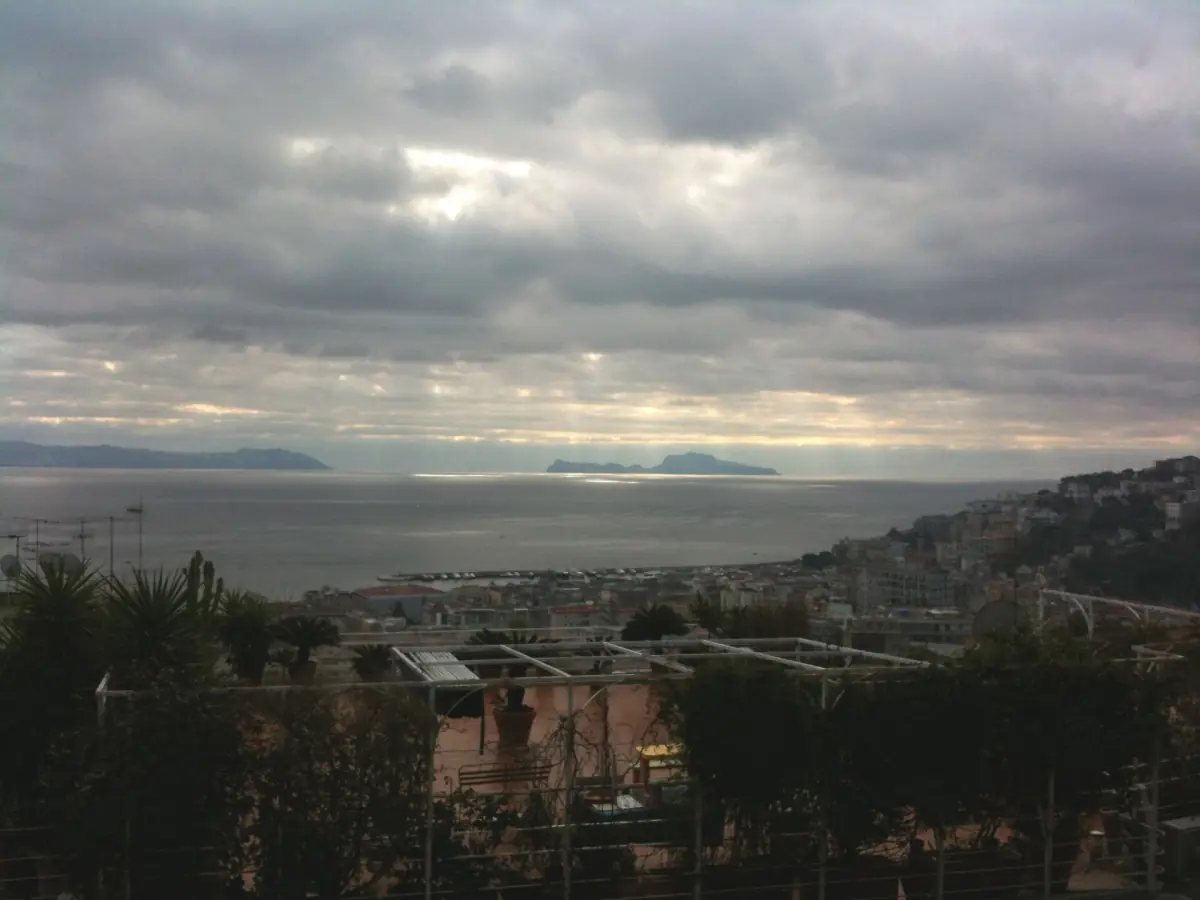
The annual climate reference for Capodichino
ISPRA's 2026 report gives Napoli Capodichino a mean annual temperature of 17.0°C and annual precipitation of 926 mm for the reference period 1991 to 2020. These describe the station's annual climate reference. They are useful context for the city, rather than a forecast of your visit or a set of monthly values.
Read the temperature and precipitation together without dividing them into invented monthly averages. An annual rainfall figure does not tell you which particular days will be wet. For packing, allow yourself options for the conditions in the forecast and the activities you have chosen, including exposed walks and the journey between indoor venues.
Our picks: Weather
Our take: A guided catacomb visit offers an indoor activity for your Naples itinerary.
Hand-picked tours, booked through GetYourGuide. Prices are indicative starting prices in euros (as of November 2026). Tap a tour for live availability and the current price in your currency.
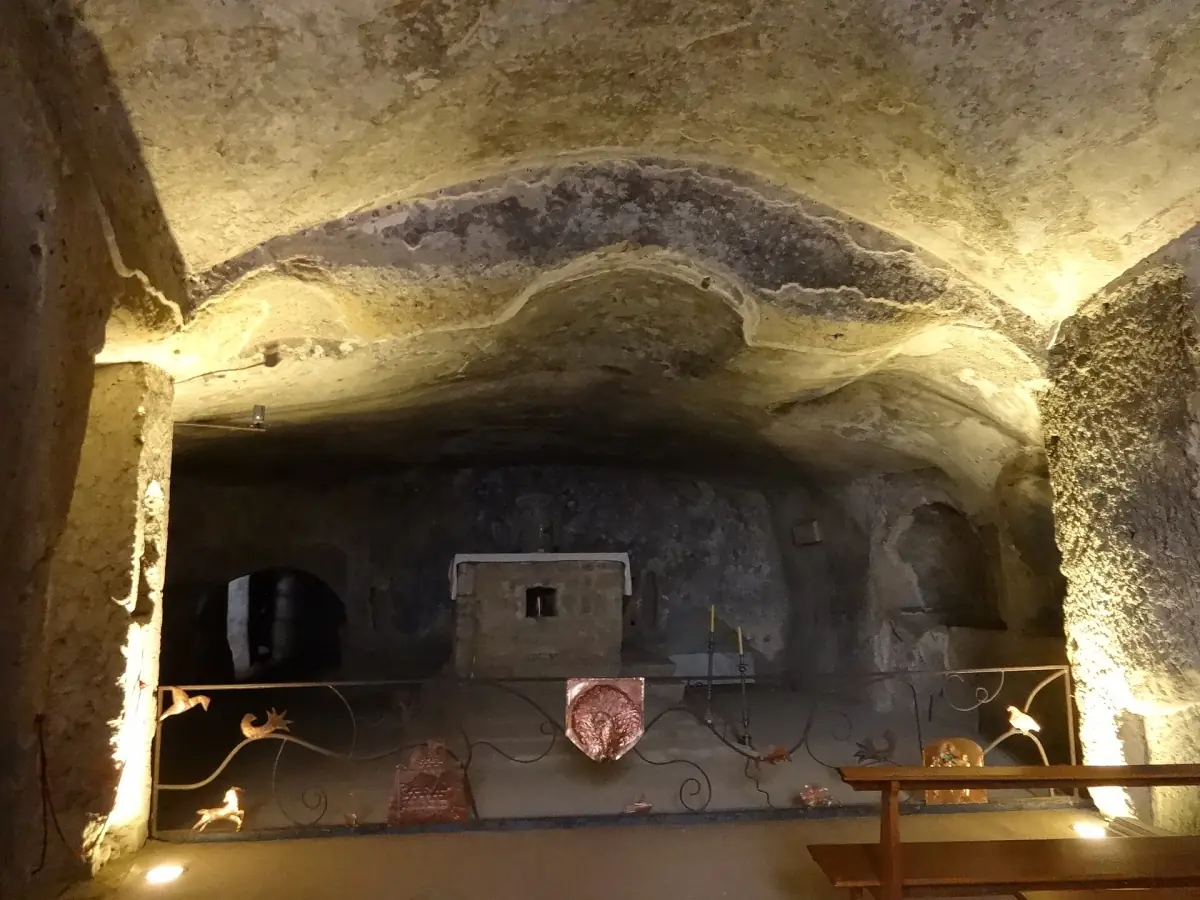
A sheltered visit beneath Santa Maria della Sanità
The San Gaudioso experience includes a 45-minute guided visit to the catacombs and basilica, with an additional San Gennaro visit valid within twelve months.
Historical seasonal figures, with their limits
The older Rete Rurale geographic table for the Naples area covers 1981 to 2010. It is outdated historical context and is separate from the Capodichino station reference above. Its monthly maximum and minimum temperatures are averages, not extreme records. The examples show the contrast between seasons without presenting an updated monthly climate series.
| Historical example | Mean maximum | Mean minimum | Rainfall |
|---|---|---|---|
| January | 12.3°C | 5.6°C | 80.4 mm |
| April | 18.3°C | 9.6°C | 72.1 mm |
| August | 30.6°C | 20.2°C | 26.1 mm |
| November | 16.7°C | 9.8°C | 130.3 mm |
All examples in this table belong to the historical Naples area period 1981 to 2010. In that older table, July and August are warmer and drier than autumn and winter months. That gives a reason to consider heat when planning long street walks, and to keep a rain alternative for cooler-season visits. It does not promise dry summer days or rule out comfortable outdoor time in another season.
Spring or early autumn can be a reasonable editorial choice when balancing walking and seasonal conditions. Make that choice around the activities you want, rather than expecting a guaranteed advantage in visitor numbers or prices. A sea excursion and an indoor art visit ask different things of the weather and of your itinerary.
Rain plans with museums and catacombs
The featured San Gaudioso visit covers the catacombs and Basilica di Santa Maria della Sanità with a 45-minute guided tour. It starts at Via Sanità and provides a focused sheltered activity, rather than a full day indoors. Its additional San Gennaro admission is valid within twelve months. The catacombs guide explains the two sites and their separate entrances; reserve the visit and allow for reaching it through the city.
The National Archaeological Museum offers another kind of indoor programme. Its regular closing day is Tuesday, with exceptions for public observances, so put the calendar beside the weather plan. Collection access can vary. Choose the museum for its own subject rather than assuming every room will be available whenever rain arrives.
Cappella Sansevero requires advance booking for a chosen day and time. It works as a planned cultural visit, with photography and video prohibited inside. The Sansevero guide covers those arrangements. A ticket tied to a time slot should remain a fixed point when moving the rest of the day's walks around it.
Sea crossings and outdoor alternatives
For Capri or Ischia, check the sailing notice as well as the forecast. A climate table does not establish the day's sea conditions or whether a particular service operates. On the organised Capri excursion, the Blue Grotto visit is weather dependent, with an island boat circuit replacing it if the cave is closed. Read the Capri excursion comparison for the complete programme.
Keep a city option available when your plans involve the sea. Reordering a museum visit and an old-town walk may be more practical than attaching several fixed bookings to an uncertain crossing. The aim is to preserve a worthwhile day while respecting the conditions of each visit.
Questions about the weather figures
Are the monthly examples current Capodichino normals?
They are older geographic values for the Naples area from 1981 to 2010. The separate annual station figures use the Capodichino reference period 1991 to 2020.
Does the catacomb experience occupy the whole day?
The included San Gaudioso and basilica guided visit lasts 45 minutes. Plan travel to the meeting point and other activities separately.
Can a warm monthly average guarantee a Capri crossing?
Use the actual forecast and sailing notices for that decision. Seasonal climate describes a longer period and does not determine a specific day's sea service.